Blog
335 articles on UPS, lithium battery, solar hybrid and energy storage technology.
IGBT-Based Heavy Duty UPS Systems Reliability
IGBT, or insulated gate bipolar transistor, is a power semiconductor device used in various applications, including industrial UPS. IGBTs offer several advantages over other types of power devices, including: High efficiency: IGBTs can be switched quickly, leading to lower losses and higher efficiency. Fast switching: IGBTs can switch on and off very quickly, which makes […]

How to fix an Overload problem in Inverter/UPS
Overload protection in Inverter/UPS/Solar inverter/Solar PCU/Online UPS/ESS/ERD An inverter/UPS overload condition occurs when the inverter draws more power than it is designed to handle. This can happen if you run too many appliances at once or use an appliance that draws more power than the inverter’s rating. When an inverter is overloaded, it will typically […]
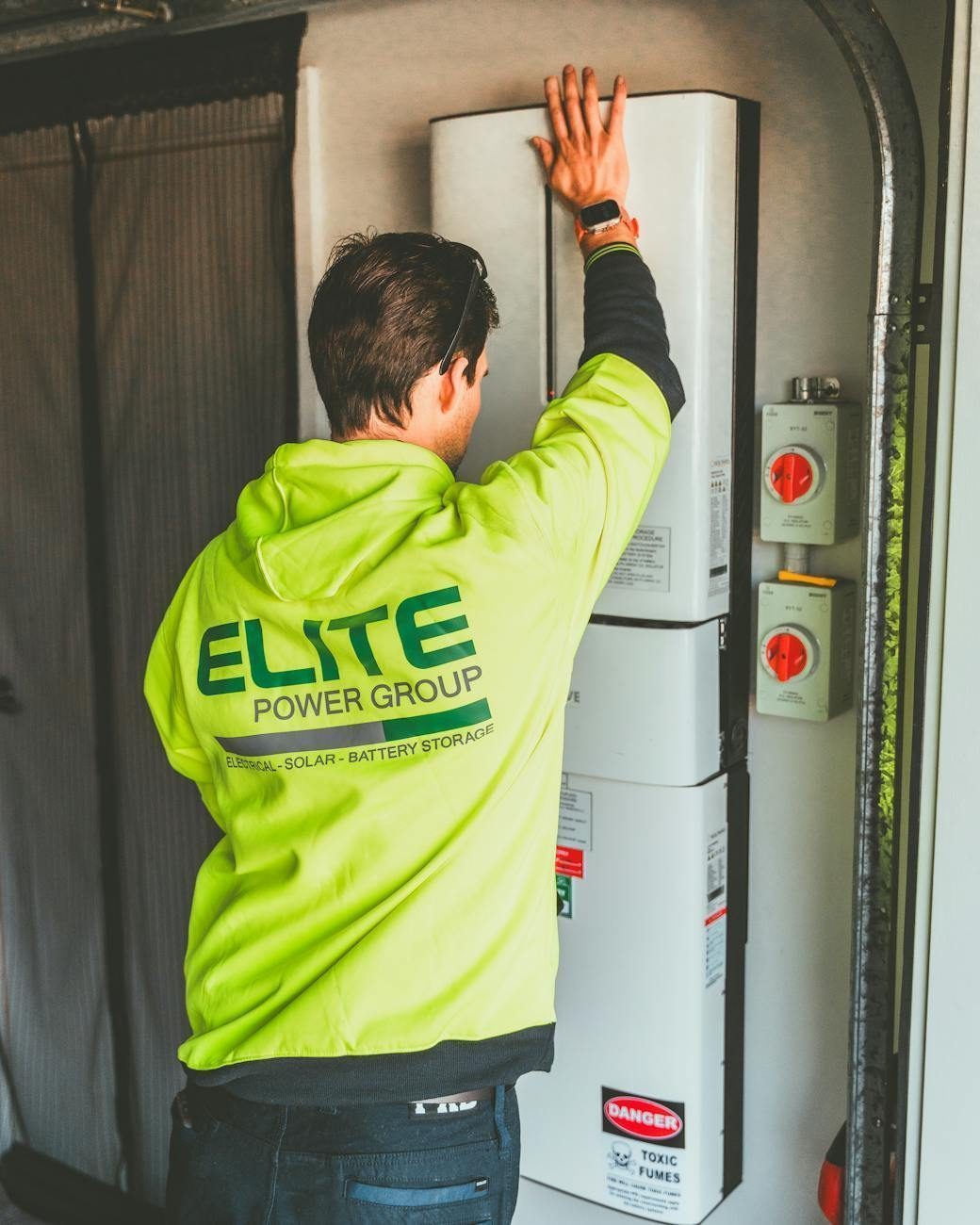
How to check the Earthing of Inverter/UPS step by step guide
Earthing, also known as grounding, is absolutely crucial for the safe and efficient operation of Inverter/UPS systems. Here’s a breakdown of its importance: 1. Safety: Protection Against Electric Shock: In the event of a fault, such as a live wire coming into contact with the metal casing of the UPS or connected equipment, a […]
Lead Acid Batt Fall Short in Performance When Compared to 7.2KW Lithium Batteries
Lead Acid Batt Fall Short in Performance Compared 7.2KW Li Batt. Suppose we must run a 7 KW load for one hour on the Inverter/UPS Hybrid Solar Inverter or the solar PCU. In that case, the 7.2 KW Lithium-ion or LifePO4 batteries are the clear answer, but if we need to run the same load […]

“Why You Should Choose an Inverter with a Built-in Lithium Battery”
Time has changed, and the inverter doesn’t need a big tubular battery, which is an eyesore and creates the challenge of maintenance of these inverters as they have big tubular batteries that need watering regularly. There are hydrogen fumes and Lead fumes. The inbuilt Lithium battery Inverters are good-looking products that can be kept anywhere […]

Power your home with sunshine and lithium-ion batteries
Installing a hybrid solar system with lead-acid batteries for homes has become outdated. The space taken and pollution created by installing tubular Lead Acid batteries have become a waste of money and a big headache maintaining those tubular batteries in solar home storage systems. The tubular Lead Acid batteries have a limited life, and on […]

Top Indian Companies Poised to Dominate the Lithium-ion Battery Market
Top Indian Companies Poised to Dominate the Lithium-ion Battery Market are increasing daily as the demand for the Lithium-ion battery is also growing. The forecast for Indian consumption in 2026 will be double the 2023 demand in various sectors like Inverter, UPS Solar and EV sector. Inverter, UPS, and solar markets are shifting to lithium-ion […]
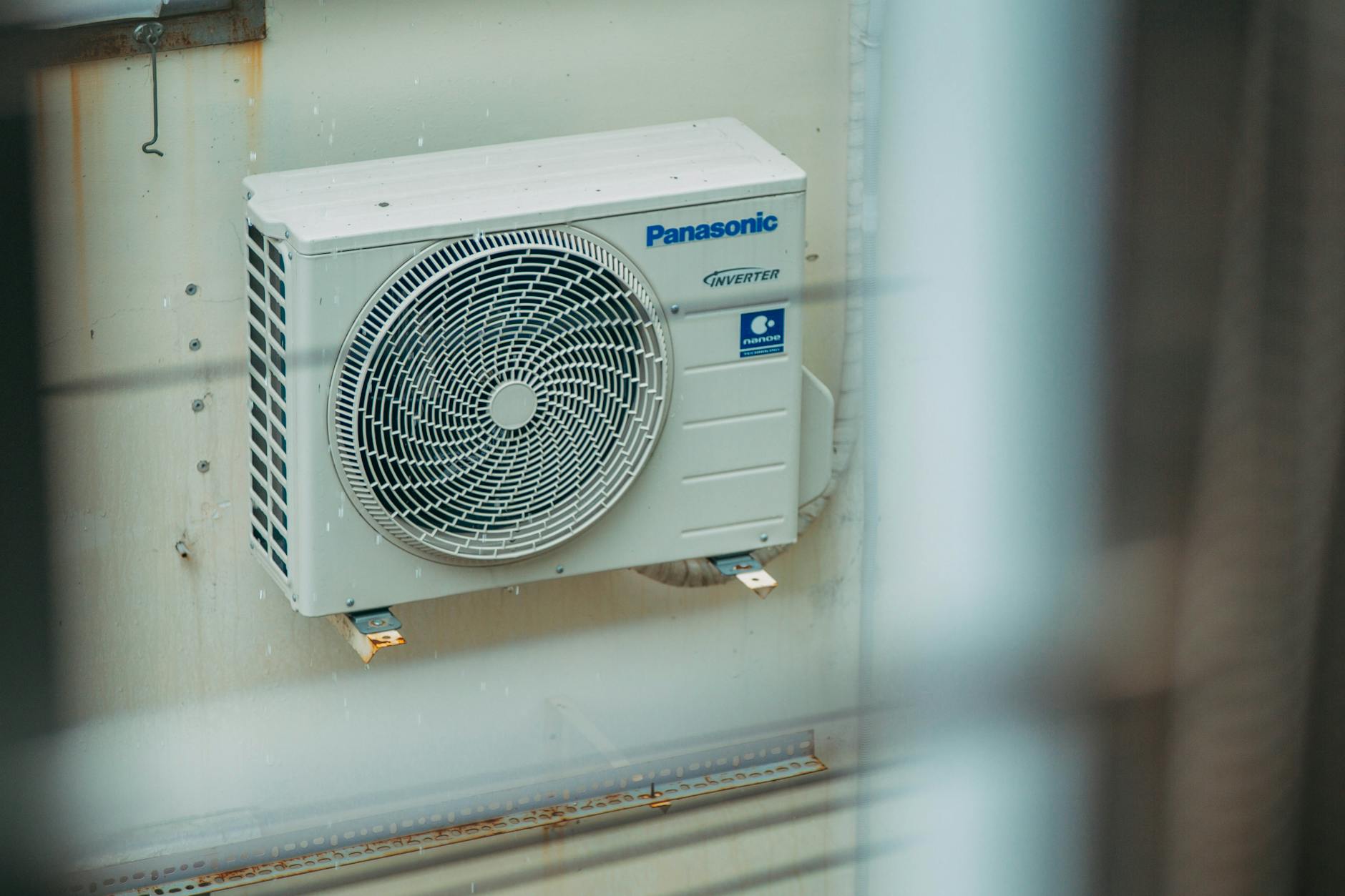
Why Choose a Sinewave Inverter/UPS?
Why Choose a Sinewave Inverter/UPS? In the context of Inverter/UPS (Uninterruptible Power Supply) systems, the critical difference lies in the waveform of the power they output during a power outage. Here’s a breakdown of the Waveforms: 1. Definition of Waveform A graph showing the variation of voltage or current concerning time is known as […]
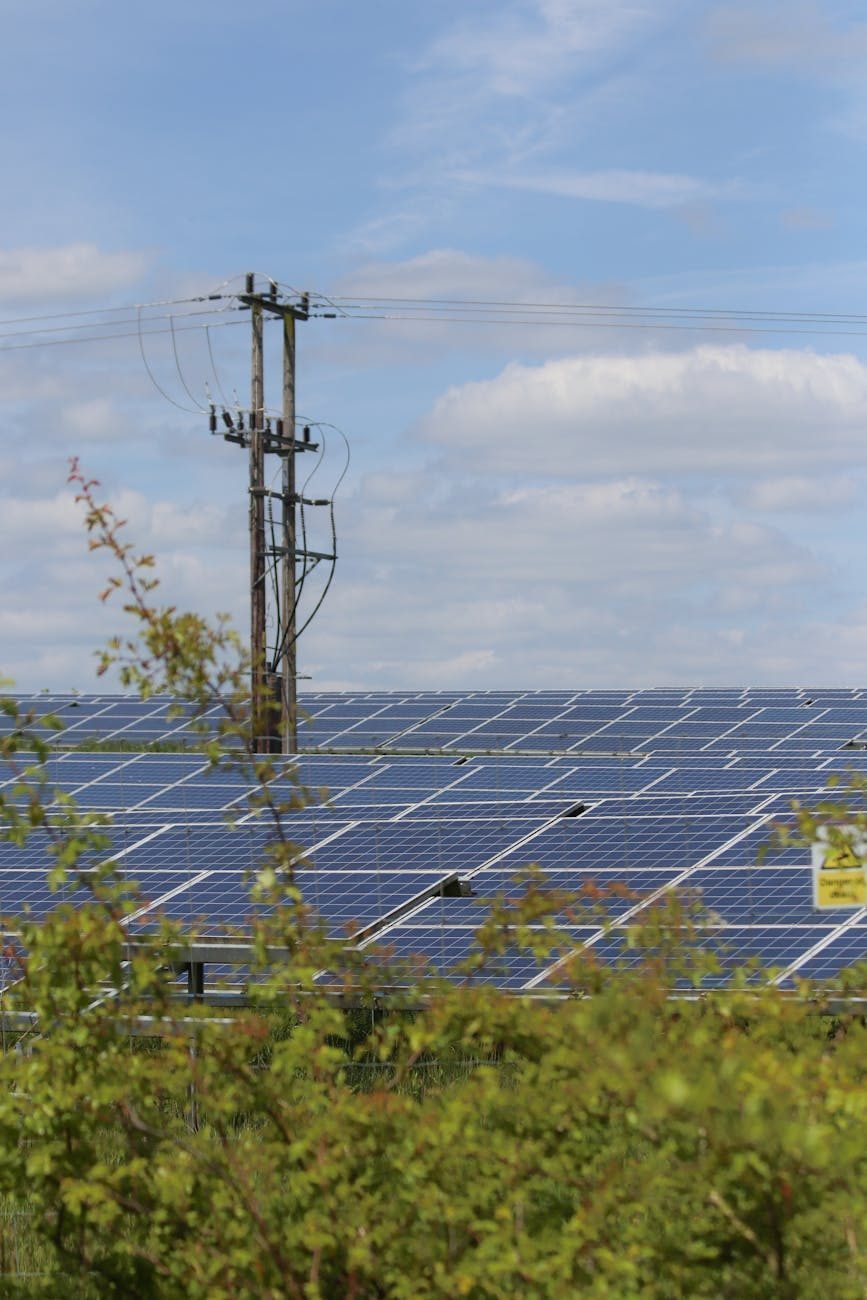
The Rise of Solar Energy and the Challenge of Power Cuts
A Power Struggle: Solar’s Rise and Challenges in India’s Power-Starved Regions India, a land bathed in sunshine, has a love-hate relationship with power. While ambitious solar targets soar, the reality on the ground in power-deficit areas paints a different picture. Here, we explore the rise of solar energy and the challenges it faces, particularly in […]
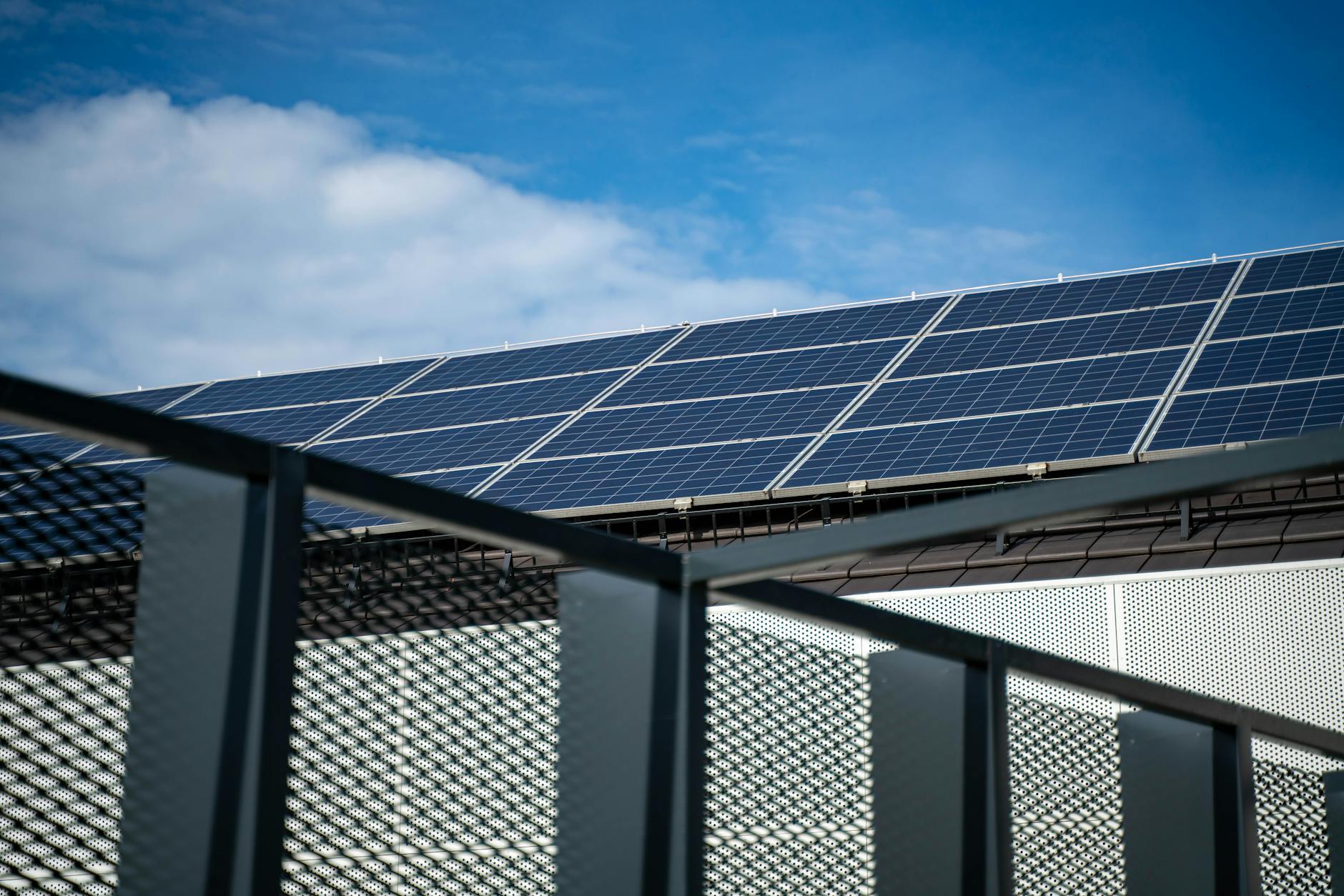
The Future of Solar Power: Su-vastika’s Lithium Battery Solar PCU
The Future of Solar Power: Su-vastika’s Lithium Battery Solar PCU A lithium battery-based Solar PCU with MPPT (Maximum Power Point Tracking) technology from Su-vastika sounds promising for solar energy users. https://suvastika.com/benefits-of-solar-pcu-with-lithium-battery/ Here’s a breakdown of the key points and potential benefits:- Advantages of Su-svastika’s Lithium Battery Solar PCU:- MPPT Solar Charge Controller: This feature maximizes […]

What is AI-Based Heavy Duty UPS and How Does It Work?
What is AI-Based Heavy Duty UPS and How Does It Work? The Heavy Duty UPS is an Uninterrupted Power Supply with the same function as a Pure Sinewave UPS. But this is made for heavy loads like Lifts, CNC Machines, central air conditioning Systems, and running a complete factory or School Mall. It gives Pure […]

Benefits of Lithium Batteries for E-Rickshaws in India
Why Lithium Batteries are the Future of E-Rickshaws E-rickshaws have revolutionized urban transportation in India, offering a sustainable and affordable alternative to traditional fossil-fuel vehicles. At the heart of these eco-friendly vehicles lies the battery, and the future is definitively shifting towards lithium-ion technology. Here’s why: Weight Reduction, Increased Range: Lithium-ion batteries are significantly lighter […]