The Best Diesel Generator Alternative: Lithium Battery ESS by Su-vastika
Looking for a reliable diesel generator alternative? A lithium Battery Energy Storage System (BESS) from Su-vastika replaces a diesel genset with a silent, pollution-free, low-maintenance power backup that costs far less to run — for homes, offices, hospitals, factories and housing societies.
Diesel generators are noisy, polluting and expensive to run, and Indian cities are steadily tightening restrictions on their use. The smarter diesel generator alternative in 2026 is a lithium battery energy storage system that does a genset’s job — instant backup during a power cut — without the fuel, fumes or noise. This guide explains how it works, where it saves money, and how to size one.
Why replace a diesel generator?
A diesel genset only makes sense when it runs rarely and briefly. For everyday backup it is the most expensive and dirtiest option you can pick:
- Running cost: every unit of electricity from diesel is far costlier than grid power, and prices swing with fuel.
- Pollution & noise: exhaust fumes and constant droning make gensets unwelcome in homes, hospitals and residential areas — and increasingly restricted by law.
- Maintenance: oil changes, filters, servicing and refuelling never stop.
- Delay on start: a DG takes several seconds to crank up; sensitive equipment sees the gap.
How a lithium BESS replaces the genset
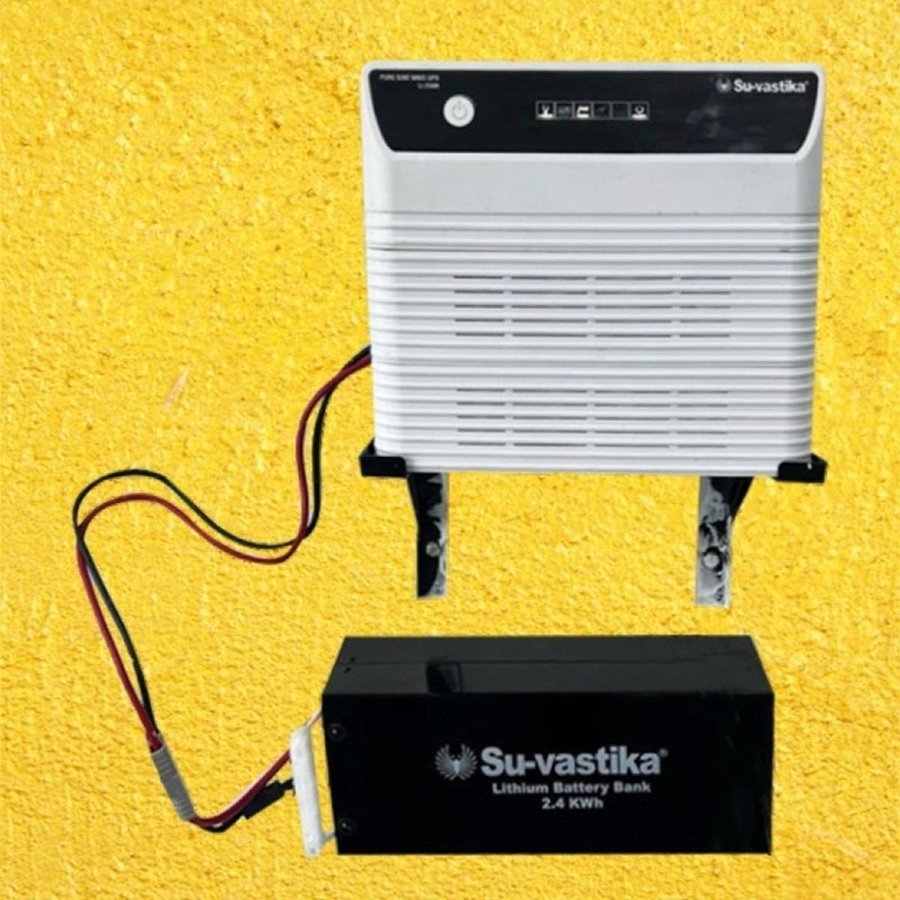
A Battery Energy Storage System stores energy in a lithium (LiFePO4) battery bank and delivers it instantly through a pure sine wave inverter the moment the grid fails — with zero transfer delay, no fuel and no noise. It charges from the grid (or solar) when power is available, and powers your load when it isn’t. Because it is silent and emission-free, it can sit inside your home or office rather than in a separate genset yard.
| Factor | Diesel generator | Lithium BESS |
|---|---|---|
| Noise | Loud, constant | Silent |
| Emissions | Diesel exhaust | Zero at point of use |
| Switchover | Several seconds | Instant (UPS-grade) |
| Running cost | High (fuel) | Low (grid/solar) |
| Maintenance | Frequent | Minimal |
| Indoor install | No | Yes |
Where it makes the biggest difference
The switch from diesel to lithium is already happening across sectors — from a cloud kitchen and a garment export unit to a hospital and even a Gurgaon home that replaced a 50 kVA DG. Offices, hospitals, housing societies, shops and factories all gain the same thing: clean, quiet, instant backup with a far lower running cost.
Sizing: which capacity replaces my generator?
Match the BESS to the load your genset carries and the backup hours you need. Su-vastika builds systems from a few kVA for homes up to 500 kVA for commercial and industrial sites, single- and three-phase. For the how-to on sizing, chemistry and commercial deployment, read our full Battery Energy Storage Systems (BESS) guide for India, and for a specific comparison see 12.8 kWh lithium battery vs a diesel generator or why a 10 kVA lithium inverter beats a DG.
Frequently asked questions
Ready to replace your diesel generator with a silent lithium BESS?
See Su-vastika BESS & inverters Talk to usRelated Su-vastika guides
- Battery Energy Storage Systems (BESS) for India — complete guide
- 12.8 kWh lithium battery vs diesel generator
- Why choose a 10 kVA lithium inverter over a diesel generator
- Diesel generator vs lithium inverter for home use
Su-vastika in the news: Business Standard — Su-vastika launches up to 500 KVA Lithium Battery UPS, an alternative to diesel generators.

Disclaimer: It is important to note that while Mr. Kunwer Sachdev founded Su-Kam Power Systems, he is no longer associated with the company as of 2019. Any information regarding his involvement in the company’s operations, strategies, or future plans reflects his tenure prior to that date. Therefore, any discussions or analyses of Su-Kam Power Systems should be considered in the context of his past contributions and not his current association with the company. He currently mentors Su-vastika.
Found this story worth sharing? Post it to your network — it takes one click:
About the Author
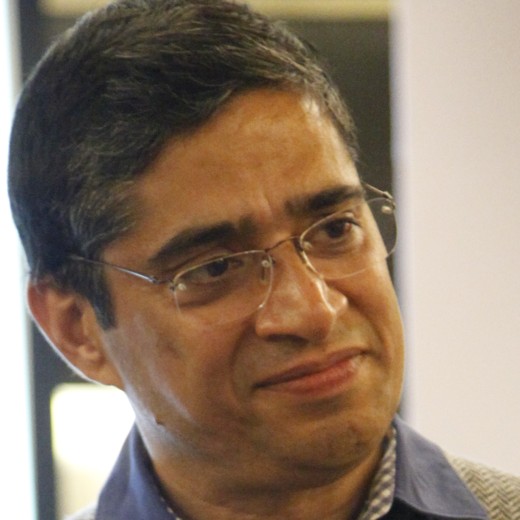
Kunwer Sachdev — known as the Inverter Man of India and the Solar Man of India. Founder of Su-Kam, holder of 106 technology filings, and mentor to Su-vastika. Read his story →
Follow on LinkedIn · kunwersachdev.com
Kunwer Sachdev exited Su-Kam in 2019 and is not responsible for any activity of the company since. Full disclaimer →